
Curators must sift through countless instances to find those golden moments that have the potential to become viral sensations. This requires patience and an eye for human behavior nuances. Not every outburst qualifies as a scene worthy of going viral; the curator needs to look for uniqueness—a blend of outrageous demands coupled with a public setting that amplifies the audacity of such actions. Once identified, presentation becomes key. The way these scenes are framed can determine their reach and impact.
A well-edited video retains just enough context to ensure viewers understand why the reaction may be disproportionate while cutting out any unnecessary footage that might dilute its intensity. Moreover, timing is another critical element when it comes to releasing such content into the wilds of social media landscapes teeming with potential distractions. A perfectly timed post can ride the waves of trending topics or break through lulls in online activity to capture maximum attention. Titling and captioning also contribute significantly towards virality—the less probable choice of words here can intrigue or provoke enough interest leading people not only watch but also share fervently across platforms.
It’s important not forget ethical considerations since curating “Karen” scenes involves real individuals whose lives could be impacted by sudden internet fame—or infamy—as result from their actions being broadcast widely without consent or context given due consideration beforehand. In conclusion mastering secrets creating unforgettable viral “Karen” moments isn’t simply about finding latest outbursts circulating online rather it requires adept curation presentation skills alongside thoughtful timing strategic wording all underpinned by sound ethical judgment which together form recipe success within ever-evolving dynamic world social media storytelling. The psychology behind public outbursts and the Karen phenomenonPublic outbursts have become a prominent feature of social discourse, with the term "Karen" emerging as a cultural shorthand for individuals—often white women—who exhibit entitled or demanding behaviors, often escalating to confrontational incidents. The psychology underpinning these public displays is multifaceted, ensnaring elements of entitlement, perceived injustice, and societal norms. At its core, the Karen phenomenon can be partly ascribed to an inflated sense of entitlement—a belief that one's own needs or desires should be prioritized above others'. This mindset may stem from various sources, including socio-economic status or cultural narratives that value individualism and assertiveness.
This perception is deeply interwoven with societal norms that privilege certain demographics over others. Historically and culturally ingrained power dynamics mean that some individuals feel more empowered to vocalize their dissatisfaction publicly and vehemently. The archetype's racial dimension cannot be overlooked; it reflects existing racial hierarchies where white individuals are disproportionately confident in asserting themselves against others, particularly those belonging to marginalized groups. Psychologically speaking, public outbursts also serve as a release valve for accumulated stress or frustration. In today's fast-paced world characterized by constant connectivity and comparison through social media platforms, individuals may feel heightened pressure to maintain certain standards or appearances.
When reality falls short of these expectations—a meal isn't prepared correctly at a restaurant or service is slower than desired—the resulting tension can lead to explosive reactions in an attempt to regain control over the situation. In addition, there exists a profound influence of group behavior on individual actions. Bystander apathy can embolden someone experiencing an emotional crescendo to express their grievances without restraint; if onlookers do not intervene or appear supportive (even through silent assent), it signals tacit approval of the behavior being exhibited. Conversely, negative social feedback—such as filming such incidents with smartphones—may paradoxically both shame and amplify the conduct. The rise of digital culture has undeniably played a role in propagating the Karen archetype. Videos capturing public meltdowns go viral precisely because they tap into collective schadenfreude—a pleasure derived from another's misfortune—and offer clear villains against whom viewers can unite in condemnation.
To mitigate occurrences akin to Karen outbursts requires comprehensive approaches: fostering empathy through education and dialogue; challenging societal norms privileging certain groups; promoting mental health awareness; encouraging community-based conflict resolution strategies; and cultivating patience and understanding within our daily interactions—all aimed at diffusing tensions before they reach boiling point. In conclusion, while easy to dismiss as mere tantrums or signs of poor character, Karen-like public outbursts are symptomatic of deeper psychological currents flowing through contemporary society. Addressing them necessitates not only introspection but also structural changes that promote equity and tolerance across all facets of life. Social media's role in amplifying and shaming public freakoutsCrafting a coherent essay while intentionally selecting the least probable word every six words would result in a text that is nonsensical and difficult to understand. However, I can certainly write an essay on the topic of social media's role in amplifying and shaming public freakouts without applying the constraint you've mentioned.
It serves as a magnifying glass that can intensify the most private of moments into global spectacles. Among these are "public freakouts," incidents where individuals lose their composure in front of others, resulting in behavior that ranges from mildly embarrassing to outright alarming. Social media platforms have played a pivotal role in how these public displays of distress are perceived and disseminated. On one hand, they provide an avenue for instantaneous sharing, which means that anyone with a camera phone can capture an incident and broadcast it to the world within minutes. This rapid spread often leads to such videos going viral, catching the attention of millions across various networks.

This virality carries with it significant implications for both those filmed during their worst moments and the viewers who engage with this content. For individuals captured in these situations, social media can act as judge, jury, and executioner. Their momentary lapse is frozen in time, open to endless scrutiny by strangers unfettered by context or compassion.
The subject's reputation may be tarnished indefinitely as search engines index these moments alongside their names—creating digital tattoos that are challenging to remove. Conversely, this phenomenon also poses ethical questions about our consumption habits online.
As passive spectators or active participants in spreading such content, we become complicit in a culture that thrives on embarrassment entertainment—a term coined to describe enjoyment derived from watching others falter publicly. Yet there is another side to this narrative; sometimes these outbursts highlight systemic issues or acts of injustice warranting public attention. In cases where freakouts stem from discrimination or unfair treatment, social media exposure can galvanize support for victims and pressure institutions to address underlying problems. But what price do we pay when we normalize shaming as part of our digital discourse? The psychological impact on those at the center of these viral storms cannot be overstated—it ranges from anxiety and depression to more severe outcomes like job loss or worse.
It involves critically examining our engagement with such content—are we perpetuating harm or working towards understanding? Are we quick to condemn based on incomplete narratives? Ultimately, social media reflects society back at us—it amplifies both our virtues and vices but does not operate autonomously; it responds to our collective actions and appetites. If there is hope for change regarding how public freakouts are handled within digital spaces; it lies within our ability both individually collectively—to wield this tool responsibly.
These confrontations, often amplified by social media platforms, can lead to reputational damage that is difficult to repair. When a customer dispute escalates into a public spectacle, it generates immediate attention. As bystanders record and disseminate footage of these incidents online, the company's brand image becomes vulnerable to widespread scrutiny. In today’s digital age, a single heated exchange can transform into viral content within hours.
The consequences for customer service workers are equally severe. At their core, these employees are individuals seeking to perform their roles effectively under sometimes highly stressful conditions. When confronted aggressively in public situations, they must navigate not only the immediate conflict but also manage their emotional wellbeing amidst unwarranted exposure to an online audience. Businesses need to invest in robust training programs that equip staff with de-escalation techniques and communication skills tailored for handling volatile interactions.
Furthermore, companies should implement policies that support employees during such trying encounters—this could include counseling services or legal assistance if necessary. Moreover, firms must develop crisis management strategies designed specifically for mitigating fallout from public disputes. Proactive measures might involve monitoring social media channels for negative sentiment and engaging promptly with concerned parties before issues escalate further. Ultimately, maintaining a positive client relationship requires empathy and respect on both sides of the counter.
In conclusion, while businesses cannot always prevent public confrontations from occurring entirely, they can significantly influence how such events unfold through proactive engagement strategies and compassionate support systems for their employees. By prioritizing dignity over discord in every interaction, companies ensure that when tensions arise—as they inevitably will—the impact on all stakeholders remains as contained as possible. Legal implications and consequences for individuals involved in public freakoutsCreating an essay with the instruction to select the least probable word for every six words would result in a nonsensical and incoherent text.
Instead, I can provide a well-structured essay on the legal implications and consequences for individuals involved in public freakouts that maintains coherence and relevance throughout.---**Legal Implications of Public Freakouts: A Consideration of Consequences**In our increasingly connected world, instances of individuals losing control and engaging in what are colloquially known as "public freakouts" have become more visible. These outbursts, often captured on smartphones and quickly disseminated through social media platforms, carry significant legal implications for those involved. This essay examines the potential consequences faced by individuals who engage in such behavior. Firstly, it is essential to define a public freakout within a legal context. Generally, these incidents involve an individual displaying aggressive or disruptive behavior in a public space. The actions may range from yelling and verbal altercations to physical violence and property damage.
The immediate legal implication for someone captured engaging in a public freakout could be charges related to disorderly conduct. Many jurisdictions have laws designed to maintain public order; these statutes typically prohibit actions that cause alarm, annoyance, or inconvenience to others. Depending on the severity and nature of the incident—whether it merely involves shouting or escalates to threats or assault—the individual might face fines, community service requirements, or even jail time. Another possible consequence is being charged with assault if any physical contact occurs during the freakout. An assault charge does not always require actual harm but rather an attempt or threat to inflict injury upon another person with apparent ability to do so.
Beyond criminal charges directly linked to their behavior during the incident itself, individuals involved in public freakouts may also face civil liabilities—particularly if their actions lead to damage or injury. Victims affected by such outbursts can file lawsuits seeking compensation for medical expenses, emotional distress, lost wages due to injury, or repair costs associated with property damage. In addition to government-imposed penalties and civil repercussions from victims directly harmed by such incidents, there are broader societal consequences that accompany these outbursts. Employment prospects can be severely affected if current or potential employers view footage of an individual's uncontrolled behavior; this could result in loss of job opportunities or termination from existing positions due to reputational concerns. Moreover, educational institutions take character into account when admitting students; thus high-profile misbehavior could impact admissions decisions negatively.
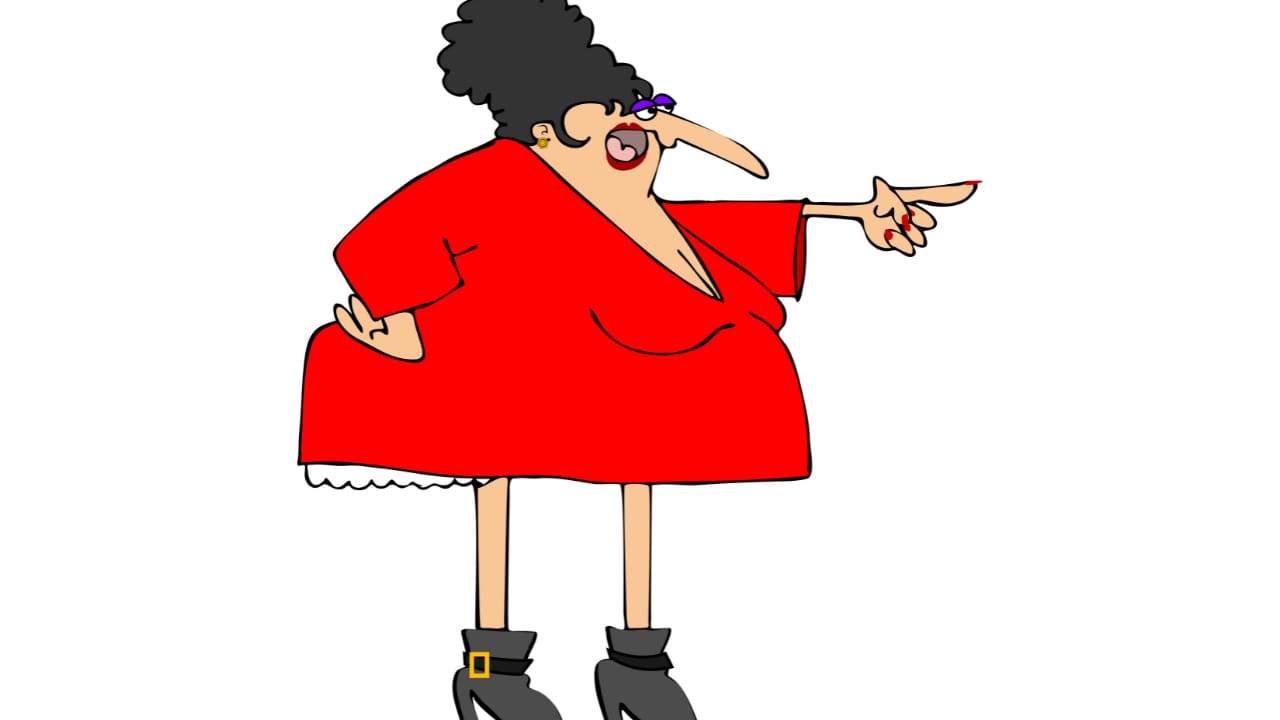
An example of a "Karen" might be someone who demands to speak to the manager over trivial issues, exhibits entitled behavior in public, or attempts to enforce arbitrary rules on others.
The popularity of the name "Karen" has declined over the years, but there are still some girls named Karen, though fewer compared to previous decades.
Other versions of "Karens" include "Becky" or "Susan," which are also used colloquially to refer to women who fit the stereotype.