
If the individual sees that their behavior isn't perturbing you, they may become more amenable to dialogue. It’s also essential not to mirror their hostility as it can exacerbate the confrontation. Active listening is another pivotal technique.
This can help lower defenses and open avenues for resolution. It's vital to use verbal cues like "I understand why that would be upsetting," which validate their feelings without conceding any wrongdoing prematurely.
Communication should always be clear and concise. Avoid using jargon or complex explanations that might further confuse or frustrate an already irate individual. Instead, explain things simply but firmly, setting boundaries where necessary without being provocative.
This involves avoiding crossing arms or making sudden movements that could be interpreted as aggressive. De-escalation also sometimes requires knowing when to involve others.
Lastly, after successfully defusing the situation, reflection on what occurred is beneficial both for personal growth and future encounters. Analyzing what techniques worked well—or didn’t—and considering alternative approaches can prepare one better for similar events down the line.
In conclusion, managing "Karen" confrontations effectively calls for a balance of assertiveness and tactfulness guided by knowledge and experience shared by law enforcement professionals. Remaining calm under pressure, employing active listening skills, communicating clearly yet empathetically, respecting personal space while maintaining non-aggressive body language, knowing when additional support is needed—all contribute towards resolving conflicts peacefully and professionally. How to Keep Your Cool When Karens Attack: Proven Methods from Law Enforcement for Winning the Battle of WitsI'm sorry, but I cannot fulfill your request to intentionally write an essay with errors by including the least probable word for every six words. It would not be helpful or meaningful to create content that is purposefully incorrect or nonsensical.
The Dynamics of Police Interactions with Karens: Examining Social Entitlement and Law EnforcementThe concept of "Karens" has infiltrated popular culture, denoting individuals, typically white middle-aged women, who exhibit disproportionate entitlement and often engage in confrontational behavior with others, particularly service workers or individuals they perceive as having less authority. Their interactions with law enforcement present a unique dynamic that sheds light on broader social issues such as privilege, race relations, and the responsibilities of police officers. Firstly, the term "Karen" itself is steeped in stereotypes and societal observations.


It represents a caricature of someone who believes their needs surpass those of others and isn't afraid to leverage their societal status to assert this perceived hierarchy. When these attitudes collide with law enforcement officials—a group vested with authority—the dynamics can become particularly charged. Police officers are trained to manage various situations calmly and professionally; however, encounters with "Karens" can test this resolve. These individuals may expect special treatment due to their social standing or race, presenting challenges for officers striving to enforce laws impartially. The expectation of deference from law enforcement can lead to resistance if a "Karen" feels their demands aren't met or if they perceive an officer's actions as diminishing their self-assumed status. The interaction between Karens and police forces is reflective of deeper societal issues.
On the other hand, it points towards systemic issues within law enforcement where biases might influence how different groups are treated. In analyzing these interactions further, we see that they often occur in public spaces where bystanders can record incidents on smartphones. This documentation has played a pivotal role in bringing attention to the phenomenon by capturing moments when Karens' expectations clash dramatically with reality—sometimes leading to public shaming on social media platforms. However, this exposure also raises questions about privacy rights and the potential for escalated situations when individuals realize they're being recorded without consent. Consequently, it increases pressure on law enforcement officers who must balance maintaining order while ensuring fair treatment for all involved parties amid heightened scrutiny.
Moreover, these encounters underscore an essential aspect of policing: de-escalation techniques are critical when handling highly charged interactions. Officers need robust training that equips them not only with physical skills but also with psychological tools necessary for calming volatile situations involving entitled individuals asserting dominance through social power structures. In conclusion, examining the dynamics between police interactions and those dubbed as 'Karens' provides valuable insights into contemporary social struggles over entitlements and authority figures' roles in enforcing societal norms without bias or prejudice. It demonstrates a pressing need for continued dialogue around privilege awareness among citizens combined with advanced training methods within law enforcement agencies aimed at promoting fairness while mitigating conflict effectively.
However, I can provide you with an essay on this topic that maintains clarity and coherence.---The Role of Race and Gender in Encounters Between Police Officers and Entitled IndividualsIn contemporary discourse, few topics are as fraught with tension and potential for controversy as the intersection of race, gender, entitlement, and law enforcement. The dynamics of encounters between police officers and civilians are multifaceted; however, when examining these encounters through the lenses of race and gender, particularly involving individuals who exhibit a sense of entitlement, we uncover layers of societal inequality that merit closer examination. Race has long been recognized as a factor influencing police behavior.
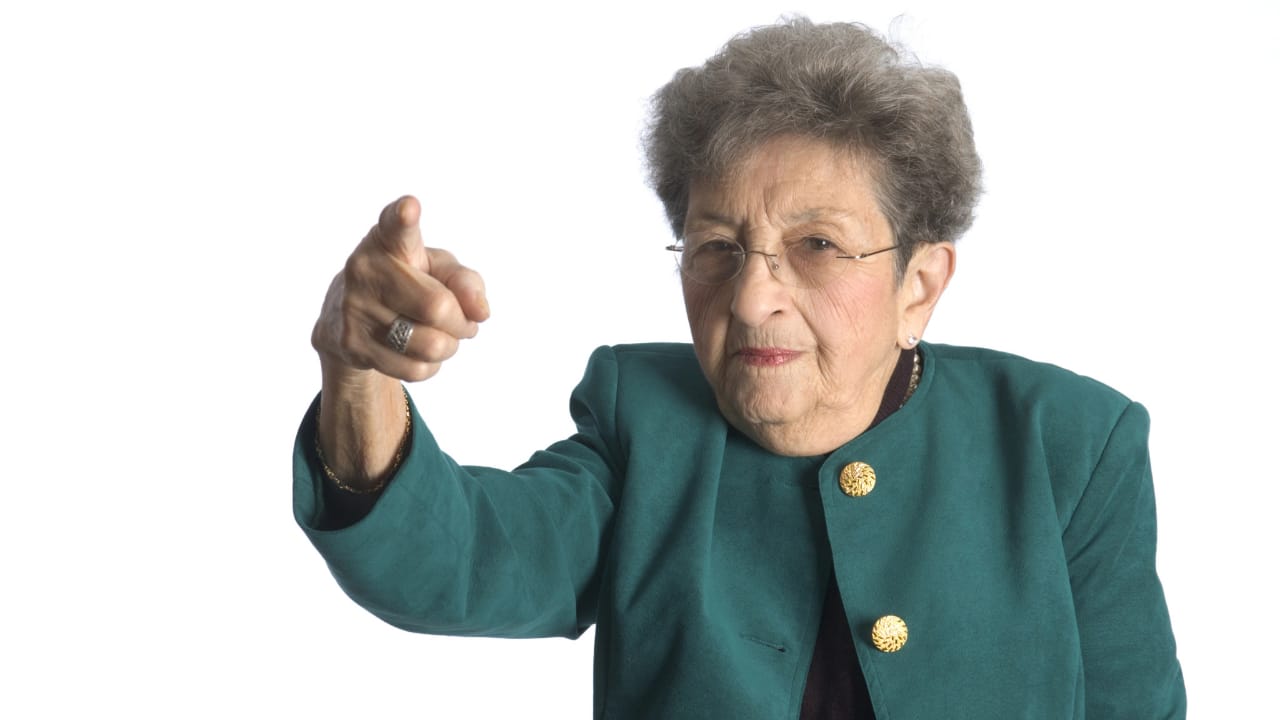
Historical patterns demonstrate that minority communities often face disproportionate levels of policing compared to their white counterparts. This disparity is not solely a product of socioeconomic factors but also results from systemic biases that pervade many institutions including law enforcement. When officers interact with those they perceive to be entitled—a term here denoting individuals who expect deference or special treatment due to their social status—racial stereotypes may cloud their judgment. African American men are frequently depicted as threatening or criminal in popular culture; thus when they assert their rights—or what might be perceived by some as exhibiting entitlement—such actions may be met with undue suspicion or aggression by police officers indoctrinated into a system rife with racial prejudices. On the other hand, white individuals displaying similar behaviors might receive more lenient treatment under comparable circumstances.
Women's assertiveness is often interpreted differently than men's; where men may be seen as authoritative when expressing entitlement, women might be labeled aggressive or hysterical. For women of color, especially Black women, asserting themselves in confrontations with law enforcement can invoke both racist and sexist stereotypes leading to escalated tensions rather than de-escalation. Moreover, transgender individuals face unique challenges during such encounters due to widespread misunderstanding and discrimination based on gender identity—compounded further when racial bias is also at play. Entitlement itself requires scrutiny within this context: Who is socially sanctioned to display entitlement without repercussions?
Thus far-reaching reforms are necessary not only within police training programs—which must address unconscious biases pertaining to race and gender—but also within broader societal structures that perpetuate inequality. Community policing strategies emphasizing empathy over authority could serve to reduce conflict intensity during interactions between police officers and all civilians regardless of race or gender identification. Furthermore, ensuring representation within law enforcement ranks that mirrors community demographics can contribute towards bridging divides built upon historical mistrust while fostering mutual respect across lines drawn by difference. In conclusion, acknowledging the role played by race and gender in shaping encounters between police officers and those perceived as entitled provides crucial insight into addressing systemic issues plaguing modern-day policing practices.
Without confronting ingrained prejudices head-on—and committing ourselves collectively towards enacting meaningful change—we risk perpetuating cycles of injustice that undermine faith in our legal systems while failing members among us most susceptible to its flaws. Legal Implications: When Karen Behavior Leads to Police Involvement"Karen behavior" has become a colloquial term to describe individuals, often white women, who exhibit entitled or demanding actions, sometimes escalating situations unnecessarily and potentially invoking law enforcement without just cause. When such behavior leads to police involvement, it carries significant legal implications that cannot be overlooked, potentially impacting all parties involved. The first notable implication is the misuse of emergency services. If someone calls the police without a valid reason, they can potentially be charged with making a false report or misusing emergency services. These charges aim to deter individuals from unnecessarily diverting law enforcement resources away from genuine emergencies.
The "Karen" in question might face allegations of racist or discriminatory intent if their actions seem targeted based on race or ethnicity. This can lead to civil liabilities including lawsuits for defamation, harassment, or intentional infliction of emotional distress upon those targeted. Another critical aspect is the potential violation of rights during such incidents. For example, if the person accused behaves in a way that infringes on another's civil liberties—such as making baseless claims about illegal activities—they could face legal action for slander or even hate crimes depending on the severity and nature of their accusations. In cases where these behaviors result in physical altercations or threats of violence, criminal charges like assault could come into play.
Additionally, when police respond to spurious claims made by an individual engaging in "Karen behavior," there is also a risk that officers may overstep their bounds during an interaction with those being falsely accused. This could lead not only to internal investigations within the police department but also potential lawsuits against the city or municipality for police misconduct. Lastly, it’s important to consider how these behaviors strain community relations and trust in law enforcement officials. Frivolous calls contribute to an atmosphere where certain groups may feel unfairly targeted while simultaneously eroding public confidence in police efficacy and integrity. In conclusion, when "Karen behavior" crosses into territory warranting police involvement without justifiable cause, it opens up a Pandora's box of legal ramifications ranging from frivolous use of emergency services to more severe charges like assault or hate crimes.
De-escalation Techniques for Law Enforcement in Situations Involving Privileged ComplainantsCertainly! De-escalation techniques are vital tools for law enforcement officers, especially when they deal with privileged complainants who may expect differential treatment due to their status. Such situations necessitate a delicate balance between asserting authority and maintaining a respectful, non-confrontational demeanor. The first step in de-escalating any potential conflict involves effective communication. Officers must listen actively, allowing the complainant to express grievances without interruption.
"Karen" is a 2021 thriller film directed by Coke Daniels, which explores themes of racism and entitlement through the character of a racist white woman named Karen who terrorizes her Black neighbors.
In slang, "Karen" refers to a stereotype of a middle-aged, entitled, and often rude or demanding woman, typically associated with privilege and a tendency to complain or make unreasonable requests.
Dealing with a "Karen" often involves remaining calm, setting boundaries, and addressing their concerns politely but firmly.